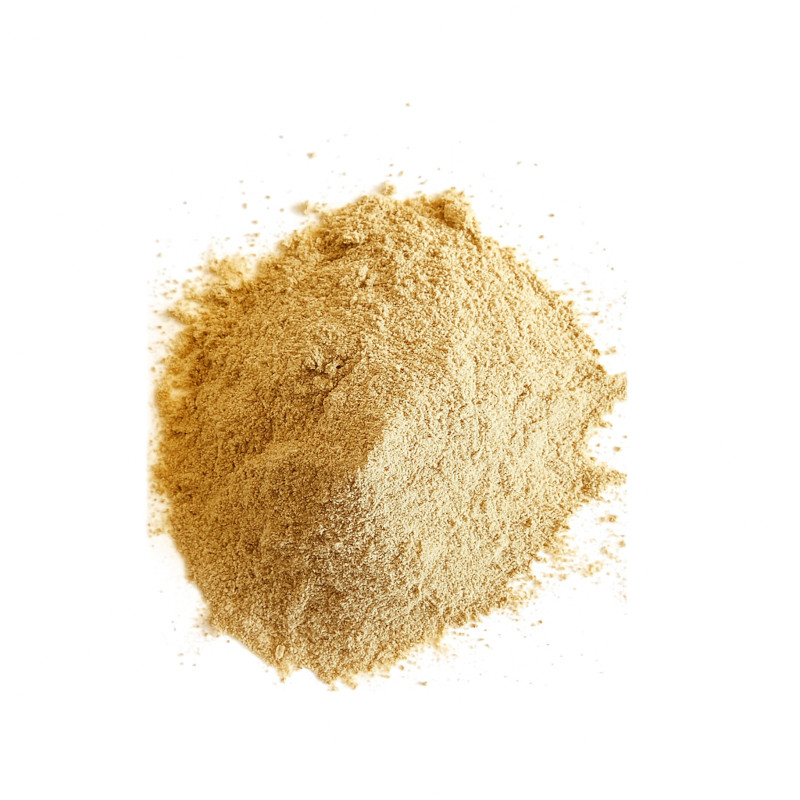
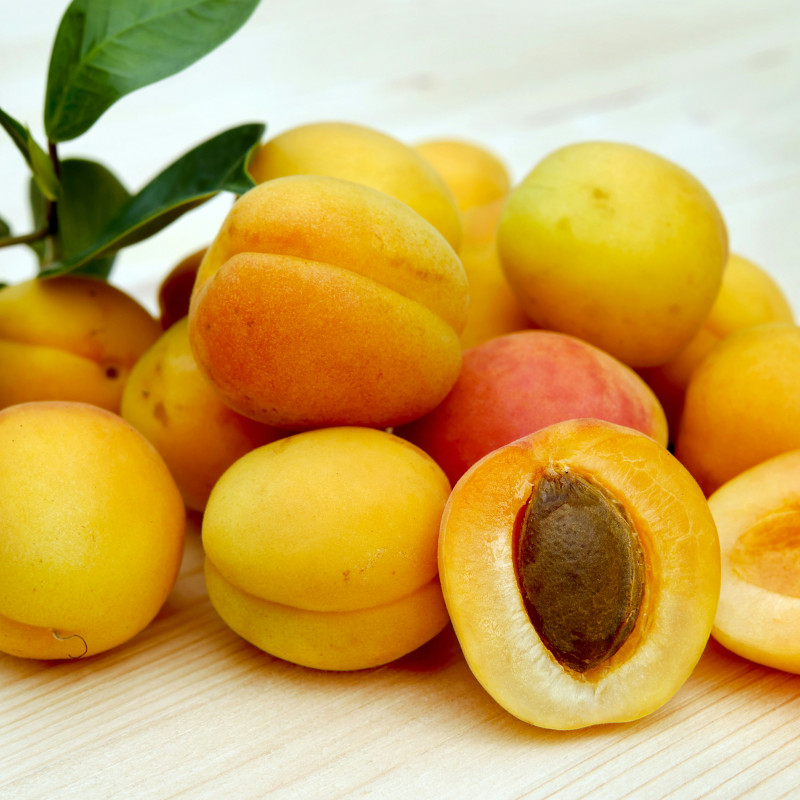
Apricot kernel powder (prunus armeniaca)

bioactive powerhouse

Pack size options: customised package availabe

DOWNLOAD PRODUCT INFO SHEET
  • De-fatted apricot kernel powder is nutrient rich source of protein, dietary fiber, essential minerals and bioactives (phenolics, flavonoids and tocopherols).

  • It is widely used and recognized raw material in the food, cosmetics, nutraceuticals and industrial sectors.

  • Health benefit reports include antioxidant, anti-hypertensive, potential anti-cancer and skin-health boosting effects. Animal studies show improved lipid profiles, increased HDL, reduced LDL and total cholesterol, liver and kidney protection.


Benefits *

    Health Benefits *

  • High nutrition: - de-fatted apricot kernel powder is rich in protein, fiber, essential minerals, and bioactive compounds like phenolics and tocopherols. These components enhance its antioxidant activity and overall nutritional value.
  • Antioxidant and disease prevention: - antioxidants reduce oxidative stress, which may lower the risk of cardiovascular disease and cancer. Apricot kernel products are also associated with anti-inflammatory, antimicrobial and blood pressure-lowering effects.
  • Digestion and metabolism: - its fibers aids digestion, while its bioactive compounds can help regulate blood sugar and support metabolic health.

Applications

  • Pharmaceuticals
  • Cosmetics
  • Food additive
  • Dietary supplements
  • Functional ingredients
  • Animal feed


Contents

Content (INCI): 100% fine powder from cold-pressed Apricot kernels (Prunus armeniaca powder). No additives

Story

A Journey Through Time: The Apricot Kernel’s Legacy of Nourishment and Healing

Few stone fruits have woven themselves into human history like the apricot. Cultivated for over 4,000 years along the Silk Road, its kernels were treasured as both food and medicine across ancient China, Persia, and the Mediterranean. Unlike the sweet flesh, the kernel carried a paradox—nourishment and potency in one hardy shell.

In traditional Chinese medicine, apricot kernels (Xing Ren) were prescribed for respiratory ailments and to "moisten the intestines." Persian physicians like Avicenna documented their use for skin conditions and joint pain, while Armenian healers cold-pressed the oil for wound healing. This duality—culinary staple and apothecary’s tool—defined its legacy.

Ancient cultures recognized two faces of the kernel: sweet varieties for cooking (ground into marzipan-like pastes) and bitter kernels, carefully processed for their medicinal amygdalin content. The Hunza people of the Himalayas, famed for longevity, included them in their daily diet as a longevity food.

By the 19th century, European herbalists used apricot kernel oil for massage therapies and skin rejuvenation, while Middle Eastern traditions valued it in hair tonics. Modern science later revealed why: oleic acid (54-61%) for skin barrier support and vitamin E for antioxidant protection.

Today, apricot kernel powder and oil bridge ancient wisdom and modern science. Once a hidden treasure inside the fruit’s stone, it’s now a functional powerhouse—from gluten-free baking to antioxidant supplements and clean-label skincare. Even the controversial amygdalin (laetrile) debate echoes its historical role as both healer and challenge.

From Silk Road caravans to contemporary wellness, the apricot kernel remains a testament to nature’s enduring pharmacy—complex, potent, and deeply human in its story.


* Scientific References: Apricot kernel

  1. Mansoor Ali Akhone et al. "Apricot Kernel: Bioactivity, Characterization, Applications, and Health Attributes.": Foods, 11 (2022).
  2. Beenu Tanwar et al. "Antinutritional factors and hypocholesterolemic effect of wild apricot kernel (Prunus armeniaca L.) as affected by detoxification..": Food & function, 9 (2018): 2121-2135 .
  3. Marco Panzanini et al. "Unlocking cold-pressed nut potential: focus on tocopherol content of oils and defatted cakes.": Italian Journal of Food Science (2024).
  4. M. Al-Soufi et al. "A Review with Updated Perspectives on Nutritional and Therapeutic Benefits of Apricot and the Industrial Application of Its Underutilized Parts.": Molecules, 27 (2022).
  5. M. Kıralan et al. "Apricot (Prunus armeniaca L.) Kernel: A Valuable by-Product.": Mediterranean Fruits Bio-wastes (2022).
  6. Beenu Tanwar et al. "Effect of detoxification on biological quality of wild apricot (Prunus armeniaca L.) kernel..": Journal of the science of food and agriculture, 99 (2018): 517-528 .
  7. M. Sorour et al. "Chemical Composition and Functional Properties of Some Fruit Seed Kernel Flours.": Journal of Sohag Agriscience (JSAS) (2021).
  8. S. Siddiqui et al. "The potential of apricot seed and oil as functional food: Composition, biological properties, health benefits & safety.": Food Bioscience (2022).
  9. P. C. Sharma et al. "Utilization of wild apricot kernel press cake for extraction of protein isolate.": Journal of Food Science and Technology, 47 (2010): 682-685.
  10. Musa Karadağ et al. "USE OF Prunus armeniaca L. SEED OIL AND PULP IN HEALTH AND COSMETIC PRODUCTS.": Advances in Biology & Earth Sciences (2024).
  11. Ajab Khan Tareen et al. "Comparative analysis of antioxidant activity, toxicity, and mineral composition of kernel and pomace of apricot (Prunus armeniaca L.) grown in Balochistan, Pakistan.": Saudi Journal of Biological Sciences, 28 (2021): 2830 - 2839.
  12. M. Basyony et al. "Extracts of Apricot (Prunus armeniaca) and Peach (Prunus pérsica) Kernels as Feed Additives: Nutrient Digestibility, Growth Performance, and Immunological Status of Growing Rabbits.": Animals : an Open Access Journal from MDPI, 13 (2023).
  13. A. Zayan et al. "EFFECT OF PARTIAL SUBSTITUTION OF SUPPLEMENTARY SKIM MILK POWDER WITH DEFATTED APRICOT KERNEL POWDER ON THE QUALITY OF ICE CREAM AND YOGHURT.": Journal of Food and Dairy Sciences, Vol. 1, Issue 9 (2010).
  14. Krantidip R. Pawar et al. "Effect of moisture content on engineering characteristics of apricot ( Prunus armeniaca L .) kernel.": Journal of Food Process Engineering (2023).
  15. Ioannis Makrygiannis et al. "Unveiling the Potential of Apricot Residues: From Nutraceuticals to Bioenergy.": Waste (2024).
  16. Aaqib Nisar et al. "Effect of the incorporation of apricot pulp powder on physicochemical, functional, rheological and nutraceutical properties of wheat flour based cookies.": British Food Journal (2021).