
Pack size options: customised package availabe
DOWNLOAD PRODUCT INFO SHEETFinely ground mechanical extract from the seeds of Rosa canina or Rosa rubiginosa (Rosehip, wild rose) post cold-press oil extraction.
Rosehip seed powder is a valuable rich source of plant-based polyunsaturated fatty acids (PUFAs), phenolic compounds, flavonoids, carotenoids, vitamins (notably vit. C), terpenoids, dietary fiber (22 - 35%) and minerals.
Rosehip is regaining popularity as a medicinal plant suitable for use as a dietary supplement, functional food ingredient, pharmaceuticals, animal feed, and cosmetic skin health and anti-aging formulations.
It is most used for its potent antioxidant and anti-inflammatory effects linked to potential health benefits including immune boost, anti-obesity, anti-cancer, hepatoprotective, nephroprotective, cardioprotective effects among others.
Content (INCI): 100% fine powder from Organic Rosehip (Rosa canina/ rubiginosa powder). No additives
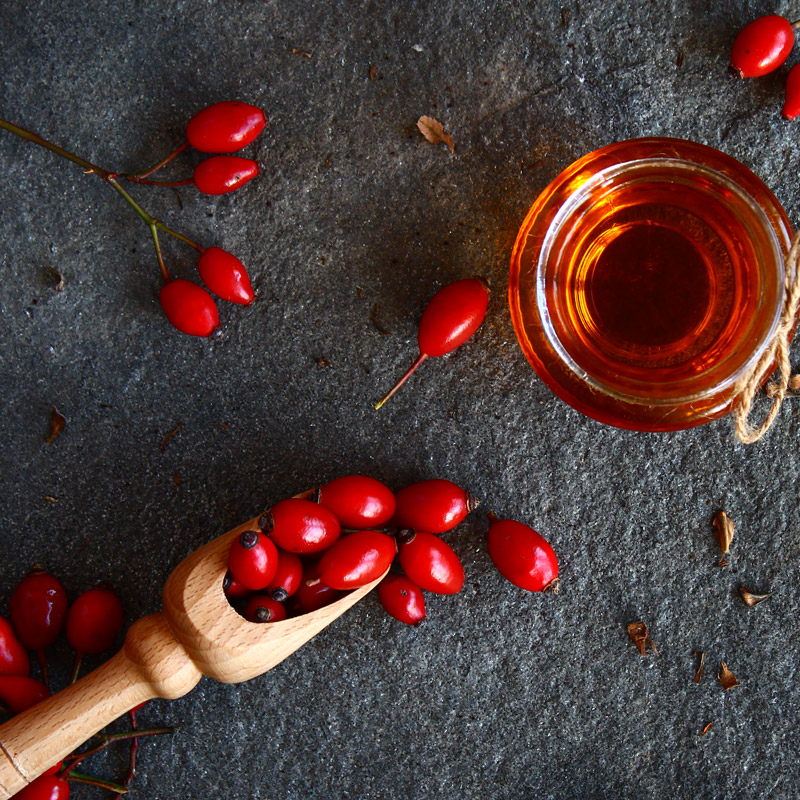
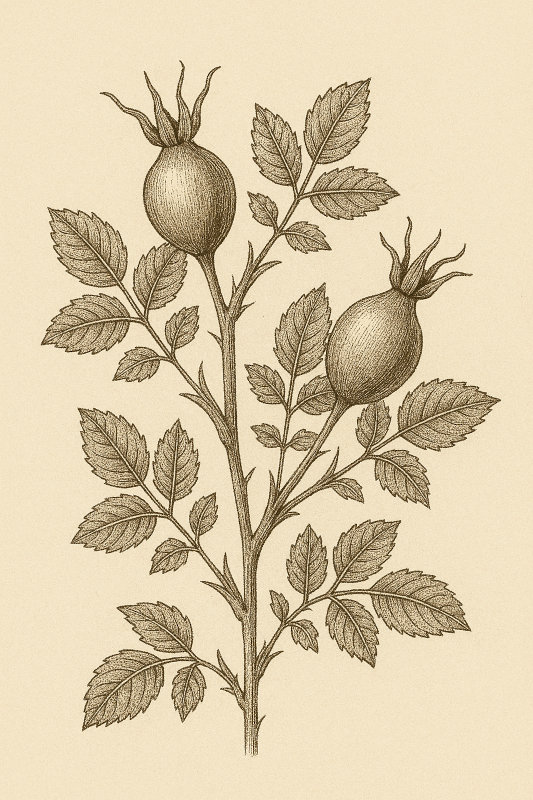
Long before science gave it a name, rosehip was known simply as the fruit of the wild rose, glowing red on hedgerows as autumn arrived. In ancient Europe and the Middle East, these small, hardy berries were gathered not for beauty, but for healing.
In Ancient Greece, Hippocrates wrote of the wild rose’s medicinal value, while in medieval monasteries, monks used rosehip teas to treat chest ailments and fevers. During cold seasons, it was a precious source of vitamin C long before citrus reached northern climates.
But it was in the 20th century—during World War II—that rosehip gained unexpected fame. With citrus imports cut off in wartime Britain, the government organized nationwide rosehip harvesting campaigns, encouraging children and families to collect hips for syrup production. This syrup helped prevent scurvy in millions of children.
In traditional Bulgarian, Romanian, and Scandinavian medicine, rosehip tea was given to soothe colds, ease digestion, and strengthen the body after illness. Herbalists praised the seed oil for its skin-healing properties and ability to reduce scars.
Today, science confirms what folk medicine long suspected: rosehip is rich in antioxidants, essential fatty acids, and anti-inflammatory compounds. Its press cake, once seen as a by-product, is now valued for its fibers, phenolics, and joint-supportive power—used in functional foods, supplements, and cosmetics around the world.
From hedgerow remedy to modern nutraceutical, rosehip continues its quiet work: restoring, protecting, and nourishing, just as it has for centuries.
